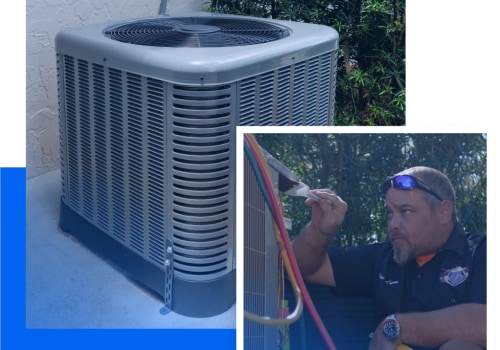
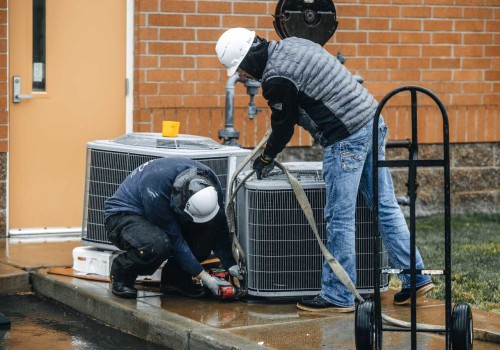
Unlike most of the country, your HVAC system in Altamonte Springs never truly gets a break. The combination of relentless summer humidity, a cooling season that regularly stretches past six months, and year-round airborne allergens from the area's dense tree canopy means your system accumulates wear at an accelerated pace. We've pulled apart enough neglected local units to know that what looks like a minor tune-up issue in October can become a compressor failure by July. This guide shows you how to get the most from top HVAC system maintenance near Altamonte Springs FL, using a plan built for the real heat and humidity your system faces so you protect comfort, efficiency, and long-term reliability.
TL;DR Quick Answers
Top HVAC System Maintenance Near Altamonte Springs FL
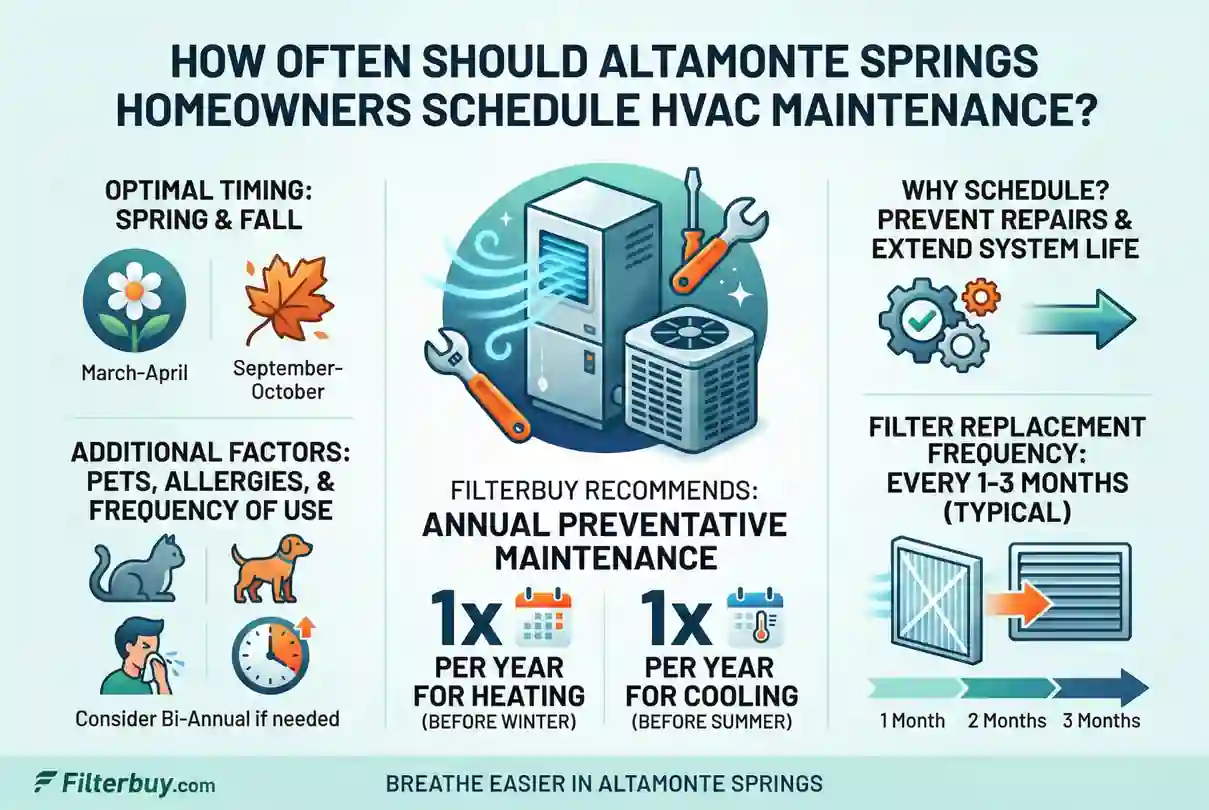
The short answer: Schedule twice a year — spring and fall. In Altamonte Springs, that's your starting point, not your finish line.
Who we are: Filterbuy HVAC Solutions serves Altamonte Springs ZIP codes 32701, 32714, 32716, and 32751. Rated 4.8 stars across 742 Google reviews from local homeowners.
What sets local maintenance apart:
Altamonte Springs' cooling season runs 6–7 months
Florida humidity clogs drain lines and fouls coils faster than most U.S. markets
Dense oak and pine canopy loads filters well before standard replacement intervals
What a proper tune-up covers:
24-point system inspection
Coil cleaning and refrigerant check
Condensate drain line flush
Capacitor and contactor testing
Airflow measurement and humidity optimization
When to add a third visit:
System is 10+ years old
Household has pets or allergy sufferers
System runs heavily from March through October
What it costs:
Single visit: $75–$150
Annual Care Plan: starting at $149/year
Includes two inspections, drain line flushes, free emergency visit, 24-hour response
The bottom line: The homeowners who never face July emergencies in Seminole County aren't lucky — they're on a plan. Proactive maintenance in this climate pays for itself. Reactive repairs don't.
Top Takeaways
1. Twice a year is your floor, not your ceiling.
Altamonte Springs' seven-month cooling season demands more than the national standard
Two visits annually is the right starting point — not the finish line
Consider a third mid-summer visit if your system is 10+ years old, you have pets, or anyone in your home has respiratory sensitivities
2. Most HVAC problems drift quietly before they fail loudly.
Over 65% of residential systems are already underperforming
The culprit is rarely one dramatic failure
It's accumulated small issues: slightly low refrigerant, a slow drain line, an uncleaned coil
Small problems compound — until they become a July emergency
3. Your air filter is your system's first line of defense between visits.
Peak pollen season in Altamonte Springs can clog a standard filter in 3–4 weeks
A clogged filter restricts airflow, strains your system, and accelerates wear
Check monthly, replace every 30–45 days during peak season
Stay in the MERV 8–11 range for Florida residential systems
4. Proactive maintenance puts you in control. Reactive repairs don't.
Consistent preventive care saves 5–20% annually on energy bills (DOE)
Florida's climate pushes local homeowners toward the higher end of that range
Proactive: you choose the timing, technician, and budget
Reactive: your system makes those choices — usually during peak season with a two-week backlog
5. Always verify your contractor's Florida state license before scheduling.
Unlicensed work can void your equipment warranty
It leaves you with no legal protection if something goes wrong
Verification takes seconds: https://www2.myfloridalicense.com/
The Standard Schedule: Two Visits Per Year
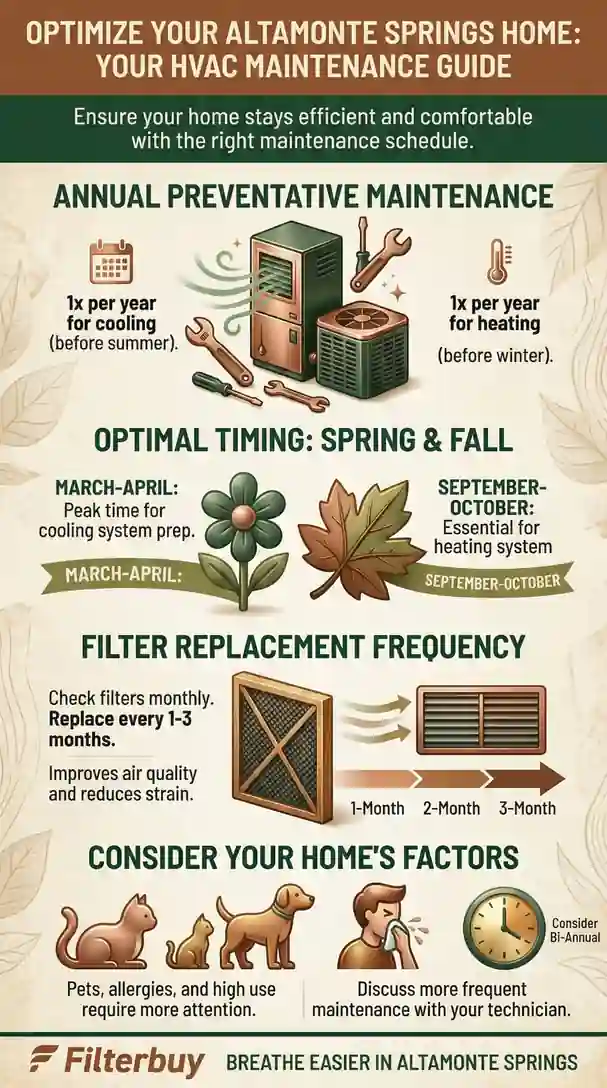
The baseline recommendation for Altamonte Springs homeowners is two professional HVAC maintenance visits annually — one in early spring (March or April) and one in early fall (October). Spring tune-ups prepare your cooling system before the brutal Central Florida heat arrives. Fall visits service the heating system and address any wear accumulated over the long cooling season before temperatures drop.
That two-visit cadence aligns with what major industry organizations like ASHRAE and the Department of Energy recommend, and it's the right foundation for most homes in this area. The question isn't whether to follow it — it's whether your specific home and system need more.
Why Altamonte Springs Demands More Attention Than Most Markets
Generic maintenance advice is written for the national average. Altamonte Springs isn't average. Servicing systems across Seminole County, we see the same pattern repeatedly: homeowners who follow a twice-a-year schedule in good faith still end up with premature equipment failures because their schedule doesn't account for what their system is actually experiencing.
Central Florida's average cooling season runs roughly six to seven months. During that stretch, your air conditioner runs almost continuously on the hottest days — cycling on and off dozens of times daily to manage both heat and humidity. That's the kind of operational load that, in northern climates, a system might accumulate over two or three full years. Combine that with Altamonte Springs' dense tree canopy generating heavy pollen loads from late winter through early summer, and you have a local environment that clogs filters, strains blower motors, and coats coils with organic debris faster than most homeowners expect.
The practical result: components that would last years under moderate-climate use wear out noticeably faster here. We've seen capacitors fail on systems that were only four years old because they never got a mid-season inspection during a particularly punishing summer.
When You Should Schedule a Third Visit
Twice a year is the right starting point, but certain homes and households in Altamonte Springs genuinely benefit from a third maintenance visit — typically a mid-summer check-in between June and August. Consider adding that third appointment if any of the following apply to your home.
Your system is more than ten years old. Older equipment has less tolerance for accumulated wear. A mid-season inspection lets a technician catch a failing capacitor, low refrigerant, or a dirty evaporator coil before any of those issues turn into an emergency breakdown during a July heat wave.
You have pets or multiple occupants. More activity means more airborne debris circulating through the system. We consistently find heavier coil fouling and dirtier blower wheels in high-occupancy homes, regardless of how diligently homeowners change their filters.
Someone in the household has asthma, allergies, or respiratory sensitivities. Your HVAC system is your primary indoor air quality tool. A mid-summer check ensures coils are clean, drain lines are clear, and your system isn't circulating mold spores or allergens — a genuine health concern in Florida's high-humidity environment.
Your home has multiple zones or an older duct system. Zoned systems have more components that can drift out of calibration, and older ductwork in Seminole County homes can develop leaks that significantly reduce efficiency and indoor air quality between scheduled visits.
What a Proper Maintenance Visit Should Cover
Not all maintenance is equal. A thorough visit for a Central Florida home should include inspection and cleaning of the evaporator and condenser coils, testing and replacement of capacitors and contactors as needed, measurement of refrigerant levels, cleaning of the condensate drain line (critical in Florida's humidity — a clogged drain is one of the most common causes of water damage we see in local homes), lubrication of blower motor bearings, inspection of all electrical connections, and a full airflow assessment.
If a technician is in and out in under 30 minutes, that's not a maintenance visit — that's a visual inspection. A real tune-up takes time, and it pays for itself by extending equipment life and catching small problems before they become expensive ones.
The Role of Air Filters in Your Maintenance Interval
Maintenance visits are only part of the equation. Between professional appointments, your air filter is your system's first line of defense. In Altamonte Springs, the high pollen season from February through May — driven largely by the area's oak and pine populations — can load a standard 1-inch filter in as little as three to four weeks. A clogged filter doesn't just reduce air quality. It restricts airflow across the evaporator coil, which raises system strain, increases energy costs, and accelerates the exact wear that maintenance visits are designed to prevent.
During peak allergy season, we recommend checking filters monthly and replacing them every 30 to 45 days rather than the standard 90-day interval. Using a higher-efficiency filter rated MERV 8 to MERV 11 will capture more allergens and debris without the airflow restriction of higher-rated filters, which can actually cause more harm than good in residential systems not designed for them.
Putting It Together: Your Annual Maintenance Calendar
A well-protected Altamonte Springs home follows a maintenance rhythm that looks something like this. In March or April, schedule your spring cooling system tune-up before temperatures climb. From February through May, check and replace filters more frequently due to peak pollen season. If your home falls into any of the higher-need categories above, schedule a mid-summer check between June and August. In October, schedule your fall system inspection to prepare for the heating season and assess any wear from the summer. And year-round, monitor your filter condition monthly rather than waiting for a scheduled replacement date.
That rhythm keeps your system running efficiently, extends equipment life, and protects your family's air quality through every season Central Florida throws at you. If you're unsure where your home falls on that spectrum, our team is happy to do an honest assessment and give you a straight answer — no upsells, no pressure, just the same advice we'd give a neighbor.
"In Altamonte Springs, we're not dealing with a typical two-season HVAC workload. Your system is fighting heat and humidity for the better part of seven months straight — and that changes everything about how you should be maintaining it. The homeowners who call us for emergency breakdowns in July almost always share the same story: they followed the standard advice, they just didn't realize that standard advice wasn't written for Central Florida. Two visits a year is your floor here, not your ceiling."
Essential Resources
We want you to make the best decision for your home — and that means going in informed. Whether you're vetting a contractor, understanding what a real tune-up should cover, or protecting your family's air quality between visits, these are the seven resources our neighbors in Altamonte Springs actually need.
1. Always Check That Your Contractor Is Licensed Before Opening the Door
Florida DBPR License Verification Portal Unlicensed HVAC work can void your warranty and leave you with zero protection if something goes wrong. This free state tool lets you verify any contractor's license, certification type, and active status in seconds — before they ever step foot in your home. ???? https://www2.myfloridalicense.com/
2. Know What a Real Maintenance Visit Should Actually Include
ENERGY STAR HVAC Maintenance Checklist A 30-minute "tune-up" isn't a tune-up. This EPA-backed checklist lays out exactly what a qualified technician should inspect, clean, and verify during every service visit — from drain line checks to electrical connections. Keep it handy so you know what you're paying for. ???? https://www.energystar.gov/saveathome/heating-cooling/maintenance-checklist
3. Understand the Federal Standard for AC Care
U.S. Department of Energy – Air Conditioner Maintenance Guide This is the government's own playbook for what professional AC maintenance should cover — coil cleaning, refrigerant checks, airflow testing, and more. Use it as your benchmark when evaluating any service plan or proposal. ???? https://www.energy.gov/energysaver/air-conditioner-maintenance
4. See How Maintenance and Energy Savings Are Directly Connected
ENERGY STAR – Heat and Cool Efficiently Nearly half your home's energy bill goes to heating and cooling. This resource shows how regular maintenance, proper filter changes, and duct sealing work together to lower costs and extend your system's life — with clear guidance on when aging equipment is costing you more than it's worth. ???? https://www.energystar.gov/saveathome/heating-cooling
5. Understand What Florida Requires of the People Working on Your Home
Florida DBPR – Certified Air Conditioning Contractor Requirements Florida's licensing requirements for HVAC contractors are strict for good reason. Knowing what exams, insurance, and financial requirements a legitimate contractor must meet helps you ask the right questions — and spot red flags before they become your problem. ???? https://www.myfloridalicense.com/CheckListDetail.asp?SID=&xactCode=1042&clientCode=0601&XACT_DEFN_ID=18292
6. Protect the Air Your Family Breathes Every Day
U.S. EPA – Introduction to Indoor Air Quality In Florida's humidity, a neglected HVAC system doesn't just lose efficiency — it circulates mold spores, allergens, and contaminants through every room in your home. This EPA resource explains the direct connection between system care and the air quality your family lives with daily. ???? https://www.epa.gov/indoor-air-quality-iaq/introduction-indoor-air-quality
7. Stop Breakdowns Before They Start With the Right Care Plan
Filterbuy HVAC Solutions – Altamonte Springs Maintenance Care Plans Two professional visits a year, drain line flushes, condenser coil cleaning, a free emergency service call, and 24-hour response time — starting at $149 a year. Rated 4.8 stars by over 742 neighbors, our Care Club is the straightforward way to protect your system, your home, and your peace of mind year-round. ???? https://hvac.filterbuy.com/service-areas/florida/altamonte-springs-fl/annual-preventative-ac-maintenance-service-care-plans/
These resources reinforce the importance of regular HVAC maintenance by showing Altamonte Springs homeowners how to verify licensed contractors, understand what a real tune-up must include, follow federal maintenance standards, protect indoor air quality in Florida humidity, and use a proven care plan to prevent breakdowns and preserve efficiency year-round.
Supporting Statistics
We've spent years servicing systems across Seminole County. The patterns we see in the field match what federal research has documented for years. These four statistics explain why the calls we get in July almost always trace back to decisions made in March.
Stat #1: Clean Filters Lower AC Energy Consumption by 5–15%
The U.S. Department of Energy confirmed what we see on nearly every Altamonte Springs service call.
What the data shows:
A dirty, clogged filter forces your system to work significantly harder
Replacing it with a clean one reduces energy consumption by 5–15%
What we see locally that the national data misses:
Altamonte Springs' oak pollen season runs from late winter into spring
Florida's summer humidity adds year-round particulate load
We routinely find filters completely obstructed well before the 90-day replacement window
A filter that looks fine from the hallway is often why your system is overworking
Source: U.S. Department of Energy – Maintaining Your Air Conditioner https://www.energy.gov/energysaver/maintaining-your-air-conditioner
Stat #2: In Altamonte Springs' Climate Zone, AC Accounts for 27% of Total Home Energy Costs
The U.S. Energy Information Administration's Residential Energy Consumption Survey puts a hard number on something we explain to homeowners every day.
What the data shows:
The national average for AC energy spend is 12% of total home energy costs
In the hot-humid Southeast — which includes Altamonte Springs — that figure jumps to 27%
That's more than double the national average
What we see locally:
Homeowners who keep up with maintenance absorb high-humidity stretches without issue
Those who don't are often facing repair bills that exceed a full year of preventive care
The system was already under strain before the weather turned brutal
Source: U.S. Energy Information Administration – Air Conditioning Accounts for About 12% of U.S. Home Energy Expenditures https://www.eia.gov/todayinenergy/detail.php?id=36692
Stat #3: Over 65% of Residential HVAC Systems Are Underperforming — Using 20–30% More Energy Than Necessary
DOE-commissioned research by the National Renewable Energy Laboratory put a number on something HVAC technicians have known for years.
What the data shows:
More than 65% of residential HVAC systems have been improperly installed or are operating suboptimally
Those systems consume 20–30% more energy than necessary
When duct leakage is factored in, the suboptimal performance rate climbs to 90–100%
What we see locally:
The culprit is rarely a dramatic failure — it's gradual drift
Refrigerant that's slightly low
Coils that haven't been cleaned in two seasons
A blower motor running harder than it should because no one checked it last fall
None of those issues feel urgent — until the compressor fails on the hottest week of the year
Source: U.S. Department of Energy – Optimizing the Installed Performance of Residential HVAC Systems https://www.energy.gov/eere/buildings/articles/optimizing-installed-performance-residential-hvac-systems
Stat #4: Consistent HVAC Maintenance Saves Homeowners 5–20% Annually on Energy Bills
The DOE's Better Buildings Solution Center documents the real-world savings potential of preventive maintenance — no new equipment required.
What the data shows:
Proper HVAC operations and maintenance best practices save 5–20% annually on energy bills
Savings come from correcting performance issues, not from installing new technology
What we see locally:
Altamonte Springs homeowners tend to land toward the higher end of that savings range
Florida's demanding climate pushes systems harder — making maintenance corrections more impactful
We've seen homeowners reduce monthly cooling costs noticeably after a single thorough tune-up
Not because we installed anything new — because we corrected the accumulated small issues quietly driving up their bills
That 5–20% isn't a marketing number. It's what happens when a system running at 75% efficiency gets restored to what it was designed to do.
Source: U.S. Department of Energy – Better Buildings Solution Center, Preventative Maintenance for HVAC Equipment https://betterbuildingssolutioncenter.energy.gov/solutions-at-a-glance/preventative-maintenance-commercial-hvac-equipment
Final Thought
Every market has its own HVAC reality. After years of service calls across Seminole County, we know Altamonte Springs has one of the most demanding ones in the country.
Why the standard advice falls short here:
The twice-a-year schedule was written for the national average — this area isn't average
Cooling season runs March through October
Dense tree canopy loads filters faster than most homeowners expect
High humidity creates ideal conditions for drain line clogs and coil fouling
Your system does work here that systems in most other parts of the country aren't asked to do
What years of local service calls have taught us:
The homeowners who never face emergency breakdowns aren't lucky — they're consistent. They share three habits:
They change filters before they're clogged — not after
They schedule tune-ups before summer peak, not during it
They treat their HVAC system the way they treat their car — maintenance on a rhythm, not a warning light
What most homeowners don't see coming:
HVAC problems rarely announce themselves. They accumulate quietly.
A capacitor running slightly weak
Refrigerant a fraction low
A drain line beginning to slow
None of those feel like emergencies — until they become one on the hottest afternoon in July, when every HVAC company in the county has a two-week backlog.
The question we'd leave every Altamonte Springs homeowner with:
Do you want to manage maintenance on your terms — or on your system's terms?
Proactive maintenance: You choose the timing, the technician, and the budget
Reactive repairs: None of those things are in your control
We've seen both play out hundreds of times. The answer is the same every time. Two professional visits a year. A filter checked monthly. A neighbor who knows your system and your climate.
That's what we're here to be.
FAQ on Top HVAC System Maintenance Near Altamonte Springs FL
Q: How often should I schedule HVAC maintenance in Altamonte Springs, FL?
A: Twice a year is the baseline.
Spring: before cooling season
Fall: before heating season
Add a third mid-summer visit if:
Your system is 10+ years old
You have pets or multiple occupants
Someone in your home has allergies or asthma
Local insight: The homeowners we never hear from in July aren't lucky. They're the ones who treated their schedule as a floor, not a ceiling.
Q: What should a professional HVAC maintenance visit in Altamonte Springs actually include?
A: More than most homeowners realize. A real tune-up covers:
Evaporator and condenser coil inspection and cleaning
Capacitor and contactor testing
Refrigerant level measurement and leak check
Condensate drain line flush — the number one service call we receive in Altamonte Springs
Blower motor lubrication and bearing inspection
Electrical connection inspection and tightening
Airflow measurement and thermostat calibration
Humidity setting optimization for Florida's climate
Two red flags to watch for:
Technician done in under 30 minutes — that's a visual inspection, not a tune-up
Contractor can't provide a written checklist of tasks performed — find someone who can
Q: How do I find a reputable, licensed HVAC contractor near Altamonte Springs?
A: Three steps — no exceptions:
Verify the license first. Florida requires active state certification for all HVAC contractors. Check credentials before anyone touches your system: https://www2.myfloridalicense.com/ Unlicensed work voids warranties and eliminates legal recourse.
Look for documented local history. A contractor servicing Seminole County homes knows what local systems face. A company dispatching from three counties away doesn't.
Ask what the visit covers. Any contractor worth hiring can walk you through every task line by line. Vague answers about "a full inspection" are a red flag.
Q: Why does my Altamonte Springs home need more HVAC maintenance than systems in other parts of the country?
A: Because your system is doing more work — full stop.
Three factors stack on top of each other here:
Extended cooling season: Six to seven months of operation that takes northern systems two to three years to accumulate
Florida humidity: Clogs drain lines, fouls coils, and promotes mold growth inside air handlers at rates moderate-climate systems rarely face
Dense oak and pine canopy: Generates pollen loads that overwhelm standard filters well before their rated replacement interval
What we see in the field:
Systems here that look like they've run for a decade — on equipment only four years old
Wear patterns that have no equivalent in most U.S. markets
The national maintenance guidelines weren't written for this environment. Your schedule shouldn't follow them as if they were.
Q: How much does HVAC maintenance cost in Altamonte Springs, FL?
A: Single professional visit: $75–$150 Annual care plan: $149–$499 depending on services included
The frame we give every homeowner who asks:
One emergency compressor replacement costs more than a decade of preventive care
One water damage claim from a clogged drain line exceeds several years of tune-ups
DOE documents 5–20% annual energy savings from consistent maintenance
Florida's hot-humid climate pushes local homeowners toward the higher end of that range
Filterbuy HVAC Solutions Care Plans start at $149/year and include:
Two 24-point inspections
Drain line flushes
One free emergency service visit
24-hour response time
What we've learned after years of Altamonte Springs service calls: Homeowners who say maintenance "isn't worth it" are almost always the ones calling in a panic in late July. The ones who stay on a plan almost never are.
In How Often Should Altamonte Springs Homeowners Schedule HVAC Maintenance?, we explain that Central Florida’s long cooling season makes “once in a while” maintenance an expensive myth, because systems here run hard for most of the year and small airflow or humidity issues compound fast. A practical routine starts with consistent filter replacement between professional visits, using the correct size and thickness for your cabinet, whether that’s a higher-capacity 20x20x4 pleated furnace filter, a standard 18x24x1 MERV 8 HVAC air filter for routine dust control, or a compatible MERV 11 HVAC air filter when your system is designed to support stronger particle capture. When you pair the right filtration habits with scheduled maintenance checks, Altamonte Springs homeowners typically see steadier comfort, better humidity control, fewer surprise breakdowns, and a system that holds efficiency longer instead of drifting quietly into higher monthly bills.