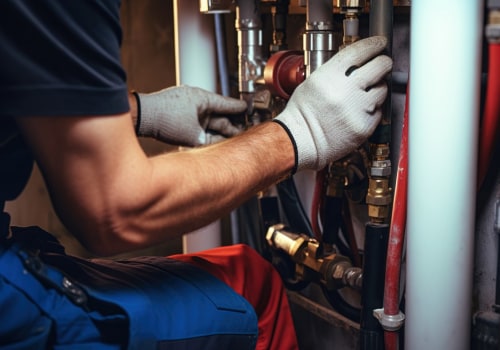
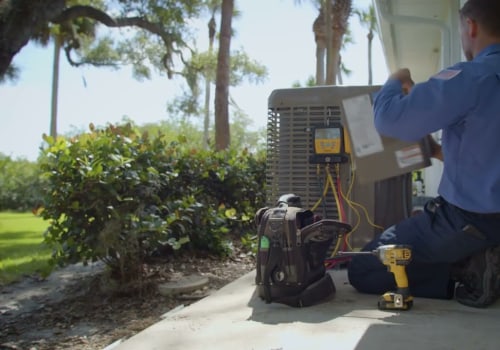
To truly grasp the intricacies of air conditioning systems, it is essential to understand their fundamental components and how they work together to create a comfortable indoor environment. At the heart of every air conditioner lies a complex interplay of parts that function seamlessly to cool and dehumidify the air in your home or office. This knowledge not only demystifies the operation of these systems but also highlights the importance of regular AC maintenance to ensure optimal performance.Air conditioners primarily consist of four key components: the compressor, condenser, evaporator, and expansion valve. The compressor acts as the engine of the system, circulating refrigerant through the system and compressing it into a high-pressure gas.
This gas then moves to the condenser , where it releases heat and transforms into a liquid state. The liquid refrigerant then travels to the expansion valve , which reduces its pressure, allowing it to evaporate in the evaporator. As it evaporates, it absorbs heat from the indoor air, effectively cooling it before returning to the compressor to repeat the cycle.Understanding these components is crucial for recognizing how refrigerants like Freon play a vital role in this process. While many people mistakenly believe that air conditioners require frequent refills of Freon, this is a misconception rooted in a lack of knowledge about how these systems operate.
In reality, if an air conditioning unit is functioning correctly, it should maintain its refrigerant levels without needing additional supplies. This highlights the importance of regular inspections and maintenance to identify any potential leaks or issues that could disrupt this delicate balance.By familiarizing yourself with how air conditioners work and their essential components, you can better appreciate the significance of proper care and maintenance. This understanding not only helps in troubleshooting common problems but also empowers you to make informed decisions regarding your HVAC system's upkeep, ensuring that your home remains a cool oasis during those sweltering summer months.
What is Freon and Its Role in Air Conditioning?
Freon is a brand name that has become synonymous with refrigerants used in air conditioning systems. It refers to a group of chemical compounds known as chlorofluorocarbons (CFCs) and hydrochlorofluorocarbons (HCFCs), which have been widely utilized in cooling applications due to their effective heat transfer properties.Understanding what Freon is and its role in air conditioning is crucial for homeowners and HVAC professionals alike.
What is Freon?
Freon, specifically, is a registered trademark of The Chemours Company, which produces various refrigerants under this name. The most common types of Freon include R-22 and R-410A. R-22, once the standard refrigerant for residential air conditioning systems, has been phased out due to its ozone-depleting properties. In contrast, R-410A is now the preferred choice for new systems as it is more environmentally friendly.
The Role of Freon in Air Conditioning
- Heat Absorption: Freon plays a vital role in the cooling process by absorbing heat from the indoor air.
As the refrigerant circulates through the evaporator coil inside the air conditioner, it evaporates at low pressure, absorbing heat and lowering the temperature of the air that passes over the coil.
- Heat Release: After absorbing heat, the gaseous Freon travels to the compressor, where it is compressed into a high-pressure gas. This gas then moves to the condenser coil outside, where it releases the absorbed heat into the outdoor air, condensing back into a liquid state.
- Recycling Process: The cycle continues as the liquid Freon returns to the evaporator coil to repeat the process. This continuous cycle of evaporation and condensation is what allows air conditioners to effectively cool indoor spaces.
Regular AC maintenance can ensure that your system operates efficiently without unnecessary refrigerant loss.
Common Misconceptions About Freon and Air Conditioners
When it comes to air conditioners, there are several misconceptions surrounding the use of Freon, a refrigerant that has been a staple in cooling systems for decades. Understanding these myths is crucial for proper AC maintenance and ensuring your system operates efficiently.Myth 1: Air Conditioners Always Need Freon Refills
One of the most common beliefs is that air conditioners require regular Freon refills, much like a car needs oil changes. This is simply not true. If your air conditioning unit is functioning correctly, it should not lose Freon over time.
A properly sealed system will maintain its refrigerant levels indefinitely. If you find yourself needing to add Freon frequently, it indicates a leak or another issue that requires professional attention.
Myth 2: All Air Conditioners Use Freon
Another prevalent misconception is that all air conditioning units utilize Freon as their refrigerant. While many older models do use Freon (specifically R-22), newer systems are increasingly using alternative refrigerants such as R-410A, which is more environmentally friendly and does not deplete the ozone layer. It’s essential to know what type of refrigerant your unit uses, especially when considering maintenance and repairs.
Myth 3: Adding More Freon Will Improve Cooling Efficiency
Some homeowners believe that if their AC isn’t cooling effectively, adding more Freon will solve the problem.
However, this can lead to overcharging the system, which can cause significant damage and reduce efficiency. Instead of adding refrigerant, it’s vital to diagnose the underlying issue—whether it’s a dirty filter, blocked ducts, or a malfunctioning compressor.
Myth 4: Freon Is Safe for the Environment
While Freon was once considered a standard refrigerant, its environmental impact has led to increased scrutiny and regulation. The production of R-22 has been phased out due to its harmful effects on the ozone layer. Homeowners should be aware of these changes and consider upgrading to systems that use more sustainable refrigerants.In conclusion, debunking these myths about Freon and air conditioners is essential for effective AC maintenance.
Understanding how your system works and recognizing when professional help is needed can save you time and money while ensuring your home remains cool and comfortable.
Signs Your Air Conditioner Needs Maintenance
Recognizing the signs that your air conditioner needs maintenance is crucial for ensuring its longevity and efficiency. Ignoring these indicators can lead to more significant issues down the line, resulting in costly repairs or even premature replacement. Here are some key signs to watch for:- Inconsistent Cooling: If you notice that some rooms in your home are cooler than others, or if your AC struggles to maintain a consistent temperature, it may be time for a check-up. This inconsistency can indicate issues with airflow or refrigerant levels.
- Unusual Noises: Air conditioners should operate quietly.
If you hear strange sounds such as grinding, squealing, or banging, it could signal mechanical problems that require immediate attention.
- Increased Energy Bills: A sudden spike in your energy costs can be a red flag. If your air conditioner is working harder than usual due to inefficiencies, it will consume more energy, leading to higher bills.
- Foul Odors: Any unpleasant smells emanating from your AC unit can indicate mold growth or electrical issues. These odors should not be ignored, as they can pose health risks and indicate deeper problems.
- Excessive Humidity: An air conditioner’s primary function is to cool and dehumidify the air. If you find that your home feels muggy or humid despite the AC running, it may not be effectively removing moisture from the air.
- Frequent Cycling: If your air conditioner turns on and off frequently, this short cycling can lead to wear and tear on the system.
It may be caused by a malfunctioning thermostat or other underlying issues.
The Environmental Impact of Freon and Alternatives
The use of Freon, a brand name for a group of chemicals known as chlorofluorocarbons (CFCs), has raised significant environmental concerns over the years. These substances, once widely used in air conditioning systems, have been linked to the depletion of the ozone layer, which protects the Earth from harmful ultraviolet radiation.The environmental impact of Freon is profound, as its release into the atmosphere contributes to global warming and climate change.In response to these environmental challenges, regulatory bodies around the world have implemented strict guidelines to phase out the use of Freon and other ozone-depleting substances. The Montreal Protocol , established in 1987, is a landmark international treaty aimed at reducing the production and consumption of substances that deplete the ozone layer. As a result, many manufacturers have shifted towards more sustainable alternatives.
Refrigerant Alternatives
Fortunately, there are several eco-friendly refrigerants available that serve as viable alternatives to Freon. These include:- Hydrofluorocarbons (HFCs) : While HFCs do not deplete the ozone layer, they are potent greenhouse gases.
However, newer formulations are being developed that have a lower global warming potential.
- Hydrocarbons (HCs) : Natural refrigerants like propane (R-290) and isobutane (R-600a) are gaining popularity due to their minimal environmental impact. They have low global warming potential and do not harm the ozone layer.
- Carbon Dioxide (CO2) : Known as R-744 in refrigeration applications, CO2 is a non-toxic and non-flammable refrigerant with a very low global warming potential. It is increasingly used in commercial refrigeration systems.
- Amines : These are organic compounds that can be used in certain cooling applications and are considered environmentally friendly.
The shift towards eco-friendly refrigerants is essential for sustainable HVAC practices. By understanding these alternatives and their benefits, consumers can make informed decisions that contribute to a healthier planet.
How to Properly Maintain Your Air Conditioner
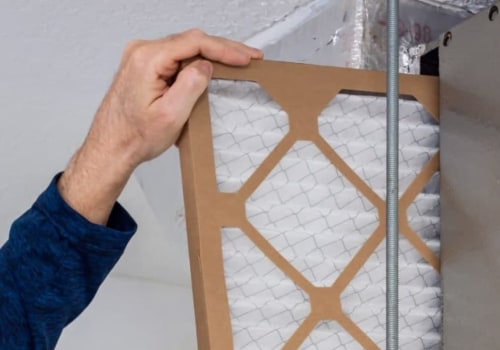
Maintaining your air conditioner is crucial for ensuring its efficiency and longevity. Regular AC maintenance not only helps in avoiding costly repairs but also enhances the comfort of your home. Here are some practical tips to keep your air conditioning unit in top shape:- Change or Clean Filters Regularly: One of the simplest yet most effective maintenance tasks is to check and replace or clean the air filters.
Clogged filters restrict airflow, making your AC work harder and less efficiently. Aim to check your filters every month, especially during peak usage seasons, and replace them every 1-3 months depending on usage.
- Keep the Outdoor Unit Clear: Ensure that the outdoor condenser unit is free from debris such as leaves, dirt, and grass clippings. A clear space around the unit allows for proper airflow, which is essential for efficient operation. Trim any nearby shrubs or plants to maintain at least two feet of clearance around the unit.
- Inspect the Ductwork: Leaky ducts can lead to significant energy loss and reduced cooling efficiency.
Regularly inspect your ductwork for any signs of wear or damage. Sealing leaks with duct tape or mastic can improve airflow and save energy.
- Check the Thermostat Settings: Ensure that your thermostat is functioning correctly and set to an appropriate temperature. Consider upgrading to a programmable thermostat that can adjust temperatures automatically based on your schedule, which can lead to energy savings.
- Schedule Professional Maintenance: While there are many tasks you can handle yourself, it’s wise to schedule a professional HVAC maintenance check at least once a year. A qualified technician can perform a thorough inspection, clean internal components, check refrigerant levels, and identify potential issues before they become major problems.
Remember, proactive care today can prevent costly repairs tomorrow!
Frequently Asked Questions About Air Conditioners and Freon
When it comes to air conditioners and Freon, many homeowners have questions that stem from misconceptions and a lack of understanding. Here are some of the most frequently asked questions regarding AC maintenance and Freon usage:- Do air conditioners need Freon refills?
No, a properly functioning air conditioner should not require regular Freon refills. If your system is low on refrigerant, it typically indicates a leak or another issue that needs to be addressed by a professional. - How can I tell if my air conditioner is low on Freon?
Signs of low refrigerant include insufficient cooling, ice buildup on the evaporator coils, and hissing or bubbling noises coming from the unit. If you notice these symptoms, it’s best to contact an HVAC technician for a thorough inspection. - Is Freon harmful to the environment?
Yes, certain types of Freon (specifically R-22) are known to deplete the ozone layer.This has led to regulations that phase out its use. Newer systems use more environmentally friendly refrigerants, such as R-410A.
- What should I do if my AC is blowing warm air?
Warm air can be caused by several issues, including a malfunctioning thermostat, dirty filters, or low refrigerant levels. Start by checking and replacing your air filter if necessary. If the problem persists, consult an HVAC professional. - How often should I have my air conditioner serviced?
It’s recommended to have your AC system serviced at least once a year.Regular maintenance helps ensure optimal performance and can prevent costly repairs down the line.
Conclusion: The Importance of Understanding Your Air Conditioner
In conclusion, understanding your air conditioner and the role of Freon is crucial for maintaining a comfortable and efficient home environment. Throughout this article, we have explored several common misconceptions surrounding air conditioning systems, particularly the myth that they require regular Freon refills. This misunderstanding can lead to unnecessary expenses and potentially harmful practices.It is essential to recognize that a properly functioning air conditioning unit should not lose refrigerant under normal operating conditions.If you find yourself needing to add Freon frequently, it is a clear indication that there is a leak or another issue within the system that requires professional attention. Ignoring these signs can lead to more significant problems down the line, including reduced efficiency and increased energy costs.Moreover, understanding how your air conditioner operates can empower you as a homeowner. Here are some key takeaways:
- Regular Maintenance: Schedule routine maintenance checks with a qualified HVAC technician to ensure your system is running efficiently and to catch any potential issues early.
- Know Your System: Familiarize yourself with the components of your air conditioning unit, including the evaporator coil, condenser, and compressor. This knowledge can help you identify when something might be wrong.
- Stay Informed: Keep up with the latest information regarding refrigerants and environmental regulations.
Understanding changes in technology can help you make informed decisions about upgrades or replacements.
- Energy Efficiency: Consider investing in energy-efficient models that use alternative refrigerants if your current system is outdated. This not only benefits the environment but can also save you money on energy bills.