Maintaining your air conditioner is not just a matter of convenience; it is essential for ensuring optimal performance, enhancing energy efficiency, and prolonging the lifespan of your unit. Regular AC maintenance plays a pivotal role in keeping your home comfortable, especially during the sweltering summer months when the demand for cooling is at its peak. Neglecting this crucial aspect can lead to a host of problems, including decreased efficiency, higher energy bills, and even costly repairs.One of the primary benefits of maintaining your air conditioner is improved energy efficiency. A well-maintained system operates more effectively, using less energy to cool your home.
This not only translates to lower utility bills but also reduces your carbon footprint, making it an environmentally friendly choice. Furthermore, regular maintenance helps identify potential issues before they escalate into major problems, saving you from unexpected breakdowns and expensive repairs.In addition to financial savings, proper maintenance significantly impacts indoor air quality. Air conditioners are responsible for filtering out dust, allergens, and other pollutants from the air. When filters and coils are clean and functioning correctly, they help maintain a healthy living environment by reducing the risk of respiratory issues and allergies.
Conversely, a neglected system can become a breeding ground for mold and bacteria, which can adversely affect your health.Ultimately, understanding the importance of AC maintenance sets the foundation for effective home cooling strategies. By prioritizing regular upkeep, you not only enhance the comfort of your living space but also invest in the longevity of your air conditioning system. As we delve deeper into specific maintenance tips and techniques in the following sections, keep in mind that these practices are vital for achieving a reliable and efficient cooling experience.
Key Components of Your Air Conditioning System
Understanding the key components of your air conditioning system is essential for effective AC maintenance. Each part plays a vital role in ensuring that your system operates efficiently and effectively.Here’s a closer look at the main components:
- Compressor: Often referred to as the heart of the air conditioning system, the compressor is responsible for circulating refrigerant throughout the system. It compresses the refrigerant gas, raising its pressure and temperature before sending it to the condenser. A well-functioning compressor is crucial for maintaining optimal cooling performance.
- Evaporator Coil: Located inside your home, the evaporator coil absorbs heat from the indoor air. As warm air passes over the coil, the refrigerant inside absorbs this heat and evaporates into a gas.
This process cools the air, which is then circulated back into your living space. Regular cleaning of the evaporator coil is necessary to prevent dust and debris buildup that can hinder its efficiency.
- Condenser: The condenser is typically located outside your home and works in conjunction with the compressor. After the refrigerant has absorbed heat from inside, it travels to the condenser, where it releases that heat to the outside air. This process transforms the refrigerant back into a liquid state.
Ensuring that the condenser unit is free from obstructions like leaves or debris is vital for maintaining airflow and efficiency.
- Filters: Air filters are critical for maintaining indoor air quality and system efficiency. They trap dust, pollen, and other particles, preventing them from entering your home and damaging internal components. It’s recommended to check and replace filters regularly—at least every three months—to ensure proper airflow and reduce strain on your AC system.
Cleaning and Maintaining the Condenser Unit
The outdoor condenser unit is a critical component of your air conditioning system, responsible for releasing heat absorbed from your home.To ensure optimal performance and longevity, regular cleaning and maintenance of the condenser unit are essential. Here are some effective tips to help you keep your AC condenser in top shape.
Remove Debris
One of the first steps in maintaining your condenser unit is to keep the area around it free from debris. Leaves, grass clippings, and dirt can accumulate around the unit, obstructing airflow and reducing efficiency. Follow these steps:- Clear the Surrounding Area: Regularly check the area around your condenser for any debris.
Remove any leaves, branches, or other obstructions that may have accumulated.
- Trim Vegetation: Ensure that shrubs or plants are trimmed back at least 2 feet from the unit. This allows for proper airflow and prevents overheating.
Ensure Proper Airflow
Good airflow is crucial for the efficient operation of your AC system. To maintain proper airflow:- Check for Blockages: Inspect the fins on the condenser unit for any blockages. If you notice dirt or debris stuck in the fins, gently clean them using a soft brush or a vacuum with a brush attachment.
- Wash the Fins: Use a garden hose to spray water on the fins from the inside out to remove any built-up dirt.
Be careful not to bend the fins while cleaning.
Inspect for Wear and Damage
Regular inspections can help identify potential issues before they become significant problems. Look for:- Signs of Rust or Corrosion: Check for any rust spots or corrosion on the unit. If you find any, consider applying a protective coating to prevent further damage.
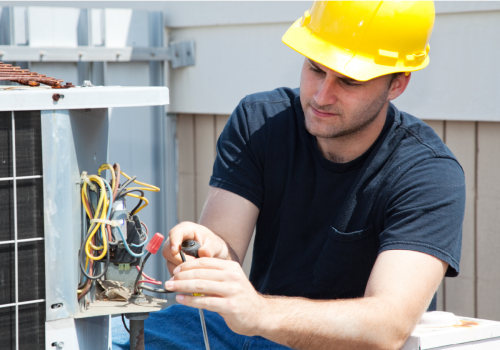
- Loose Connections: Ensure that all electrical connections are secure and that there are no frayed wires. If you notice any issues, contact a professional technician for repairs.
Regular attention to this vital component will not only improve your air conditioner's performance but also help you save on energy costs in the long run.
Checking Refrigerant Levels: Why It Matters
Understanding the role of refrigerant in your air conditioning system is crucial for maintaining optimal performance and efficiency. Refrigerant is the lifeblood of your AC unit, responsible for absorbing heat from the indoor air and releasing it outside, thereby cooling your home. Without adequate refrigerant levels, your air conditioner cannot function effectively, leading to a host of problems.Why Checking Refrigerant Levels is Essential
Regularly checking refrigerant levels is an important maintenance task that should not be overlooked. Low refrigerant levels can indicate a leak in the system, which not only affects cooling efficiency but can also lead to more significant damage over time.
If your air conditioner is low on refrigerant, it may struggle to cool your home adequately, causing it to run longer and work harder. This increased workload can lead to higher energy bills and a shorter lifespan for your unit.
How to Check Refrigerant Levels
While checking refrigerant levels typically requires specialized tools and expertise, there are some signs you can look for that may indicate low levels:
- Insufficient Cooling: If you notice that your AC is blowing warm air or not cooling as effectively as it used to, this could be a sign of low refrigerant.
- Ice Formation: Ice buildup on the evaporator coils or refrigerant lines can indicate that the system is low on refrigerant, causing the coils to freeze.
- Hissing or Bubbling Sounds: Unusual noises coming from your AC unit may suggest a refrigerant leak.
The Importance of Refrigerant Maintenance
Maintaining proper refrigerant levels is not just about ensuring comfort; it’s also about protecting your investment. Regular maintenance checks can help identify leaks early on, preventing costly repairs down the line.
Additionally, keeping your refrigerant at optimal levels ensures that your air conditioning system operates efficiently, which can lead to significant energy savings over time.In summary, checking and maintaining refrigerant levels is a vital aspect of AC maintenance. By staying vigilant and addressing any issues promptly, you can ensure that your air conditioning system runs smoothly and efficiently for years to come.
Inspecting Ductwork for Efficiency
Maintaining the efficiency of your air conditioning system goes beyond just cleaning filters and checking refrigerant levels; it also involves a thorough inspection of your ductwork. Ducts are the pathways through which cooled air travels to reach different areas of your home. If these ducts are compromised, it can lead to significant energy loss and reduced comfort levels.Why Inspect Ductwork?
Regular inspections of your ductwork are essential for several reasons:
- Energy Efficiency: Leaky ducts can account for a loss of up to 30% of the air that your HVAC system produces.
This inefficiency not only increases your energy bills but also puts unnecessary strain on your air conditioning unit.
- Indoor Air Quality: Poorly maintained ducts can harbor dust, mold, and other allergens, which can circulate throughout your home and affect the health of its occupants.
- Comfort Levels: Uneven cooling in different rooms often results from duct leaks or blockages, leading to discomfort and dissatisfaction with your HVAC system.
How to Inspect Ductwork
Inspecting your ductwork can be done by following these steps:
- Visual Inspection: Start by visually examining accessible duct sections for any obvious signs of damage, such as holes, disconnected joints, or excessive dust buildup.
- Check for Airflow: Turn on your HVAC system and feel for airflow at the vents. If some vents have weak airflow compared to others, this could indicate a blockage or leak in the ductwork.
- Use a Smoke Pencil: A smoke pencil can help identify leaks. Move the smoke pencil along the seams and joints of the ducts; if the smoke is drawn into any gaps, you have found a leak.
Sealing Duct Leaks
If you discover leaks during your inspection, sealing them promptly is crucial. Here are some effective methods:
- Duct Tape: Use high-quality duct tape to seal small gaps and holes.
Ensure that the surface is clean before applying the tape for better adhesion.
- Mastic Sealant: For larger gaps, mastic sealant is a more durable option. Apply it with a brush or putty knife to ensure a tight seal.
- Foil Tape: This is another excellent option for sealing ducts as it provides a strong bond and is resistant to moisture.
The Importance of Duct Maintenance
Regular maintenance of your ductwork not only enhances efficiency but also prolongs the lifespan of your HVAC system. Schedule professional inspections at least once every few years to ensure that your ducts remain in optimal condition. A well-maintained duct system will improve air quality, reduce energy costs, and provide consistent comfort throughout your home.
The Role of Professional Maintenance Services
While many air conditioning maintenance tasks can be performed by homeowners, there are specific situations where hiring a professional HVAC technician is essential.Understanding when to seek professional help can save you time, money, and potential headaches down the line.
When to Hire an HVAC Technician
- Refrigerant Level Checks: If you suspect that your air conditioner is not cooling effectively, it may be due to low refrigerant levels. Checking and recharging refrigerant requires specialized tools and knowledge, making it a task best left to professionals.
- Electrical Issues: If you notice any electrical problems, such as tripped breakers or unusual noises, it’s crucial to call a technician. Electrical components can be dangerous to handle without proper training.
- Comprehensive Inspections: Regular inspections are vital for identifying potential issues before they escalate. A professional technician can conduct a thorough assessment of your system, checking for wear and tear that may not be visible to the untrained eye.
- Complex Repairs: If your air conditioning unit requires significant repairs or replacement of major components, such as the compressor or evaporator coil, a qualified technician should handle these tasks to ensure proper installation and functionality.
Benefits of Professional Maintenance
- Expertise and Experience: HVAC technicians have extensive training and experience in diagnosing and repairing air conditioning systems.
Their expertise allows them to identify issues quickly and accurately.
- Safety: Working with electrical systems and refrigerants can pose safety risks. Professionals are trained to handle these materials safely, reducing the risk of accidents or injuries.
- Extended Lifespan: Regular professional maintenance can significantly extend the lifespan of your air conditioning unit. Technicians can catch minor issues before they develop into major problems, ensuring your system runs efficiently for years.
- Improved Efficiency: A well-maintained system operates more efficiently, which can lead to lower energy bills. Professionals can clean components and optimize settings for maximum performance.
By scheduling regular inspections and addressing issues promptly with a qualified technician, you can ensure your air conditioning system remains in optimal condition.
Seasonal Maintenance Checklist for Your AC Unit
Maintaining your air conditioning unit is essential for ensuring its efficiency and longevity. A well-maintained AC system not only keeps your home comfortable but also helps you save on energy costs. To achieve this, it’s important to follow a seasonal maintenance checklist that prepares your unit for the demands of summer and winter. Below is a comprehensive guide to help you keep your air conditioner in top shape throughout the year.Preparing Your AC for Summer
- Inspect and Replace Filters: Start by checking the air filters.
If they are dirty or clogged, replace them with new ones. This should be done at least every three months, but during peak usage in summer, monthly checks are advisable.
- Clean the Outdoor Unit: Remove any debris, leaves, or dirt from around the outdoor condenser unit. Ensure there is at least two feet of clearance around the unit to allow for proper airflow.
- Check Refrigerant Levels: Low refrigerant levels can hinder your AC’s performance. If you suspect a leak or low levels, contact a professional technician to assess and refill as necessary.
- Test the Thermostat: Ensure that your thermostat is functioning correctly.
Consider upgrading to a programmable thermostat for better energy management.
- Inspect Ductwork: Look for any visible signs of wear or leaks in your ductwork. Sealing these leaks can improve efficiency significantly.
Winterizing Your Air Conditioner
- Turn Off Power: Before winter sets in, turn off the power to your AC unit to prevent any accidental activation during cold months.
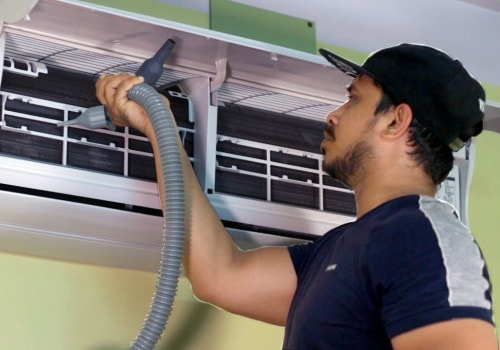
- Clean the Indoor Unit: Dust and clean the indoor components of your air conditioning system. This includes wiping down vents and ensuring that no dust accumulates in the ducts.
- Cover the Outdoor Unit: Use a weatherproof cover to protect the outdoor unit from snow, ice, and debris. This helps prevent damage during harsh winter conditions.
- Schedule Professional Maintenance: Consider having a professional HVAC technician perform a thorough inspection and maintenance check before winter.
They can identify potential issues that may arise during colder months.
<strong>Common Problems and Troubleshooting Tips</strong>
Maintaining your air conditioner is essential, but even with regular upkeep, issues can arise. Understanding common problems and knowing how to troubleshoot them can save you time and money. Here are some frequent issues you might encounter with your AC system and tips on how to address them.1.Insufficient Cooling
If your air conditioner is running but not cooling effectively, it could be due to several factors:- Dirty Filters: Clogged filters restrict airflow, making it difficult for the unit to cool the air.
Check and replace or clean your filters regularly.
- Thermostat Issues: Ensure that your thermostat is set to the correct temperature and functioning properly. Sometimes, recalibrating or replacing the thermostat can resolve the issue.
- Refrigerant Levels: Low refrigerant levels can hinder cooling efficiency. If you suspect this is the case, contact a professional to check for leaks and recharge the system.
2.Unusual Noises
Strange sounds coming from your AC unit can indicate underlying problems:- Banging or Clanking: This may suggest loose or broken parts within the compressor or fan. Turn off the unit and consult a technician.
- Squealing: A high-pitched squeal could indicate a worn-out belt or motor issue.
Regular maintenance can help prevent this.
- Hissing: A hissing sound may point to a refrigerant leak, which requires immediate attention from an HVAC professional.
3.Water Leaks
If you notice water pooling around your air conditioning unit, it could be due to:- Clogged Drain Line: Over time, algae and debris can block the drain line, causing water to back up. Regularly cleaning the drain line can prevent this issue.
- Dirty Coils: If the evaporator coils are dirty, they may not absorb heat effectively, leading to excess condensation. Cleaning these coils should be part of your maintenance routine.